


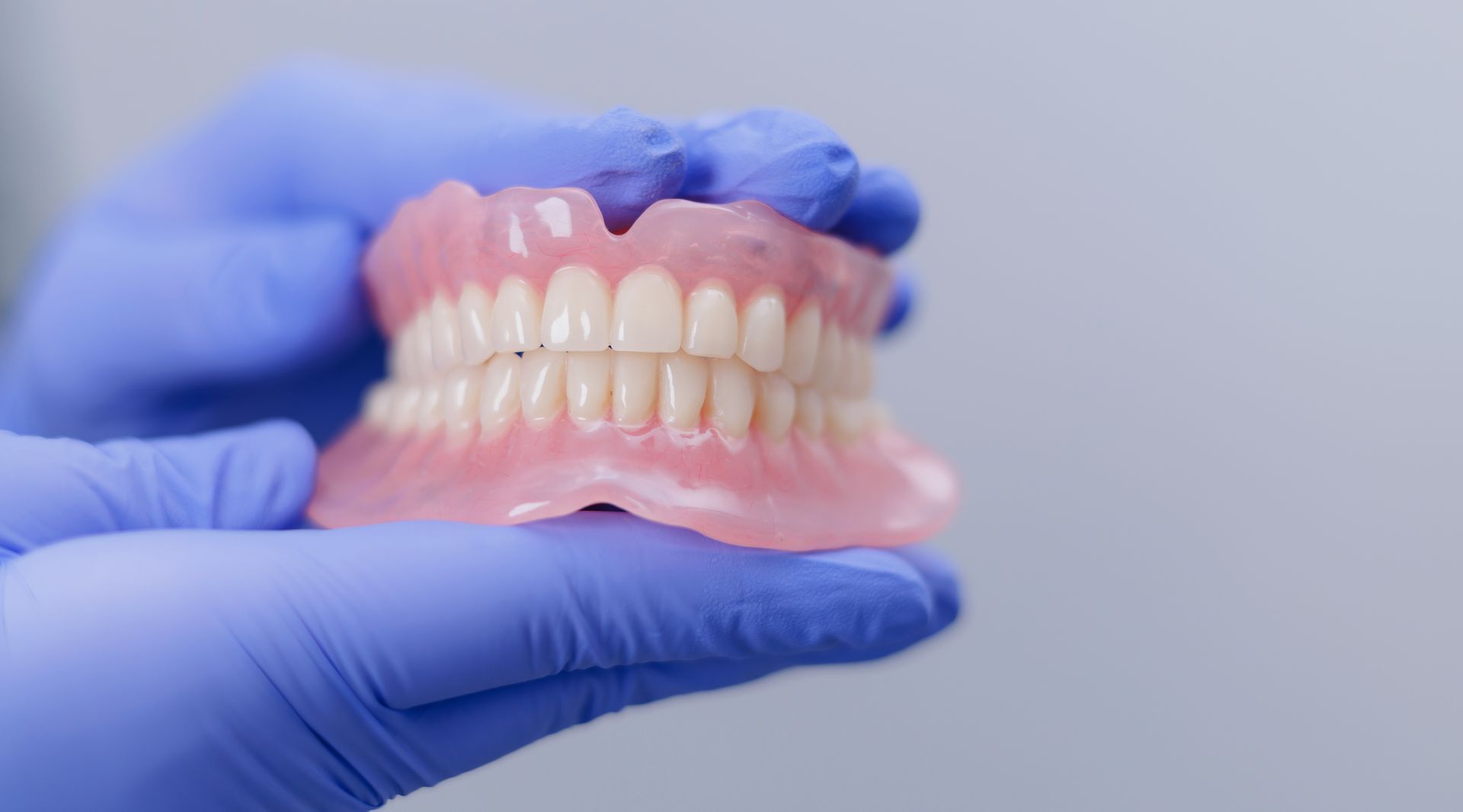
Comparing dental implants and dentures? Learn the key differences in cost, comfort, and longevity to choose the right tooth replacement option.

Wondering if you need oral surgery? Learn the warning signs, what to expect, and how KM Dental Specialists in San Marcos can help.

Learn what intermittent tooth pain means, common toothache causes, and key dental infection signs. When to see a specialist in San Marcos.

Few dental procedures generate as much anxiety as a root canal. Unfortunately, that fear often causes people to postpone treatment, hoping the pain will go away on its own. In reality, delaying a root canal can allow an infection to worsen, increase discomfort, and ultimately put the affected tooth at risk. Root canal therapy is designed to remove infected tissue from inside the tooth and preserve your natural tooth structure. When treatment is delayed, the infection may continue spreading beyond the tooth and into the surrounding tissues. Understanding the risks of waiting can help you make informed decisions about your oral health. Why a Root Canal Becomes Necessary Inside every tooth is a soft tissue called the pulp, which contains nerves and blood vessels. When deep decay, a crack, trauma, or repeated dental procedures allow bacteria to reach the pulp, infection and inflammation can develop. At that point, root canal treatment is often the most effective way to eliminate the infection and save the tooth. Common signs that may indicate the need for a root canal include: Persistent tooth pain Sensitivity to hot or cold temperatures Pain when chewing or biting Swollen or tender gums Tooth discoloration A pimple-like bump on the gums Facial swelling near the affected tooth In some cases, there may be few noticeable symptoms until the infection becomes more severe. The Infection Doesn't Go Away on Its Own One of the biggest misconceptions about tooth infections is that they will eventually heal without treatment. While symptoms may temporarily improve, the infection itself typically remains active inside the tooth. As bacteria continue to multiply, the infection can spread deeper into the root canal system and surrounding tissues. This often results in increased damage to the tooth and greater complexity during treatment. Increased Risk of a Tooth Abscess One of the most serious consequences of delaying a root canal is the development of a tooth abscess. A tooth abscess is a pocket of infection that forms around the root of the tooth. Abscesses can cause: Severe throbbing pain Swelling in the gums or face Drainage of pus Bad taste in the mouth Fever Difficulty chewing Once an abscess develops, treatment may become more urgent and complicated. In addition to root canal therapy, additional procedures may be necessary to control the infection. Greater Risk of Losing the Tooth The primary goal of root canal treatment is to save your natural tooth. When treatment is delayed for too long, infection can destroy significant portions of the tooth structure and supporting bone. In some situations, the damage becomes so extensive that the tooth can no longer be restored and must be extracted. Preserving a natural tooth is generally preferable to extraction because it helps maintain normal function, alignment, and overall oral health. Bone Loss Around the Tooth Untreated tooth infections do not remain confined to the tooth itself. As infection spreads, it can begin damaging the bone that supports the tooth. Bone loss may lead to: Tooth mobility Compromised oral health More complex future treatment Reduced options for restoration The longer the infection remains untreated, the greater the potential for damage to the surrounding structures. More Pain and Discomfort While some patients delay treatment because they are worried about discomfort during a root canal, postponing care often results in far more pain than the procedure itself. As infection progresses, symptoms may become increasingly severe, including: Constant toothaches Sharp pain when eating Increased sensitivity Jaw discomfort Facial swelling Modern root canal treatment is intended to eliminate pain by removing the infected tissue causing the problem. Many patients report that the procedure is much easier than they anticipated. Treatment May Become More Expensive Addressing a tooth infection early is often simpler and less costly than waiting until complications develop. Delaying treatment may lead to: Emergency dental visits Abscess treatment Additional restorative procedures Tooth extraction Dental implants or bridges What begins as a routine root canal can eventually require significantly more extensive treatment if the infection is allowed to progress. When to See an Endodontic Specialist If you are experiencing persistent tooth pain, swelling, sensitivity, or signs of infection, it is important to seek professional evaluation promptly. Endodontic specialists focus on diagnosing and treating conditions affecting the inside of the tooth, including infected pulp and complex root canal cases. Their advanced training and technology allow them to preserve natural teeth whenever possible. Early Treatment Protects Your Smile Delaying a root canal may seem like a way to avoid treatment, but it often increases the risk of infection, abscess formation, bone loss, and even tooth loss. The sooner an infected tooth is evaluated and treated, the greater the likelihood of saving the tooth and avoiding more extensive procedures. If you're experiencing symptoms of an untreated tooth infection, seeking prompt care from an endodontic specialist can help relieve pain, eliminate infection, and preserve your natural smile for years to come.
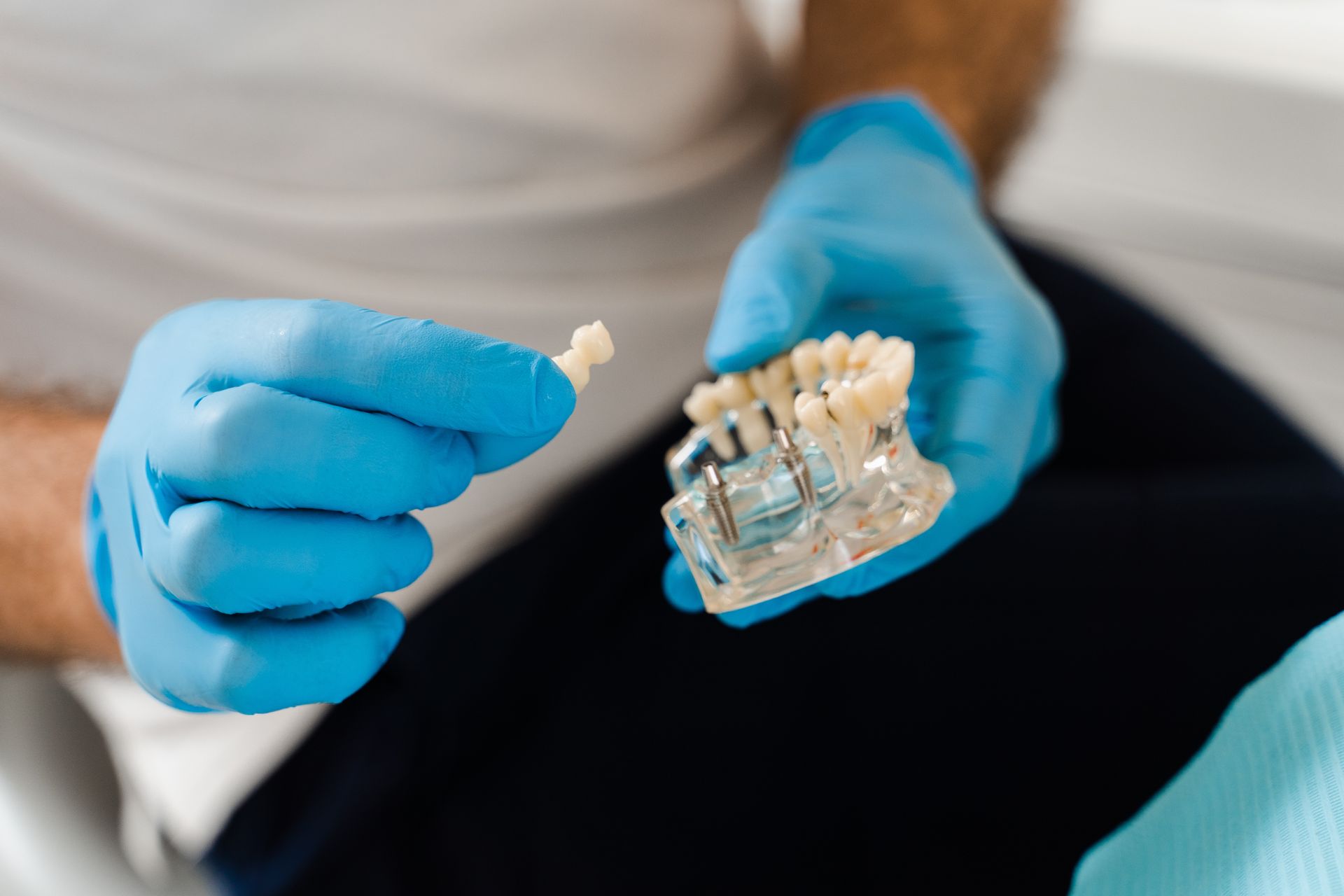
Learn the cost of dental implants in San Marcos in 2026. Explore pricing, full mouth implant costs, and affordable options near you.

Learn the key signs you may need a root canal. Don’t ignore tooth pain—get expert care and protect your smile with early treatment.

Learn what happens during a tooth filling or crown appointment in San Diego. Expert tips, step-by-step process, and aftercare from KM Dental Specialists.

Experience modern dentistry with digital scanners. Enjoy no-mess impressions, better accuracy, and faster, more comfortable treatment at KM Dental Specialists.

Straighten your teeth discreetly with Invisalign from KM Dental Specialists in San Marcos. We offer custom, comfortable aligners for confident adult smiles.

Regular visits to KM Dental Specialists in San Marcos help prevent cavities, inflammation, and overall help. Schedule your appointment with us today!